

Hey guys! Hope the weeks been solid! In this blog I will write a little bit about what Type 1 diabetes is, because I’m sure if you have it you’ve realized how little the public knows about this disease. The difference between Type 1 and Type 2 must be defined for us to progress toward better treatments and a cure. I’m sure most of you know a lot about this but I figure that there can never be enough information out about this subject. I’m sure I may miss some points in this. Feel free to comment and add! I will also follow my Diagnosis Story blog with what my parents and I were told on my next blog.
Diabetes in whole is a disease affecting the body’s ability of digesting, absorbing, and utilizing glucose. Glucose is a simple sugar that is used for your body to produce energy, and insulin is essentially a key that allows the glucose to enter the cell and begin the process of producing energy. If this homeostasis is, disturbed, negative consequences occur. Normal blood glucose concentration is usually between 80-120mg/dl (“Current State of Type 1,” 2015). If blood glucose levels are too high then a condition known as hyperglycemia evolves, and insulin is required to lower it. Signs and symptoms consist of excessive thirst, urinating frequently, and can lead to microvascular destruction. If blood glucose levels are too low then a condition known hypoglycemia occurs, and ingesting glucose is required to raise blood glucose. Signs and symptoms are as follows: confusion, loss of coordination often mistaken as intoxication, cold sweat, loss of consciousness, and can lead to death if hypoglycemia isn’t reversed with the help of glucose (honey, glucose tabs, or other simple sugars that can be absorbed into blood stream quickly and converted to glucose.
The most common of the 2 main types of diabetes is type 2 diabetes, and the best definition of this disease is their bodies ability to produce insulin cannot meet their metabolic demands. Meaning they still produce insulin, however the amount of glucose they’re consuming in the forms of carbohydrates and sugars outmatches how much insulin they’re producing. This disease usually affects elderly obese people with a family history of the disease. They can control their blood sugars usually with diet and exercise, but may need to get on insulin and other medications as deemed appropriate by their physician (“Brown Adipose Tissue,”2013).

Type 1 diabetes is an autoimmune disease. I will use myself as reference for describing the pathology. Something in my body, more specifically my pancreas and even more specific in my beta cells was identified as foreign by my immune system which was then attacked and killed. Beta cells are responsible for producing the hormone insulin. Insulin is the only way to control blood glucose levels and to ensure a healthy lifestyle (“Standards of Medical Care,” 2017).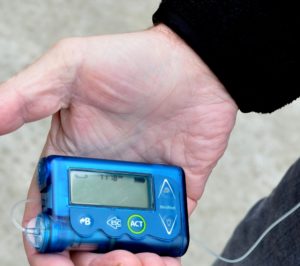
This isn’t the first time I’ve written about the differences in diabetes, and I think I bypass a lot of important information, because I’ve lived with it for so long that I tend to assume things are obvious. In saying that please let me know if there is anything you don’t understand or would like addressed. Thanks for reading, and in the next post I’ll go into the treatments that I took home, the ones I’ve used, and the ones I use now and what I want to start using!
Thanks!
-Dillon